Robotic mowers bring huge convenience for orchard vegetation maintenance in Australia, but sloped terrain creates several practical challenges that site managers need to consider.
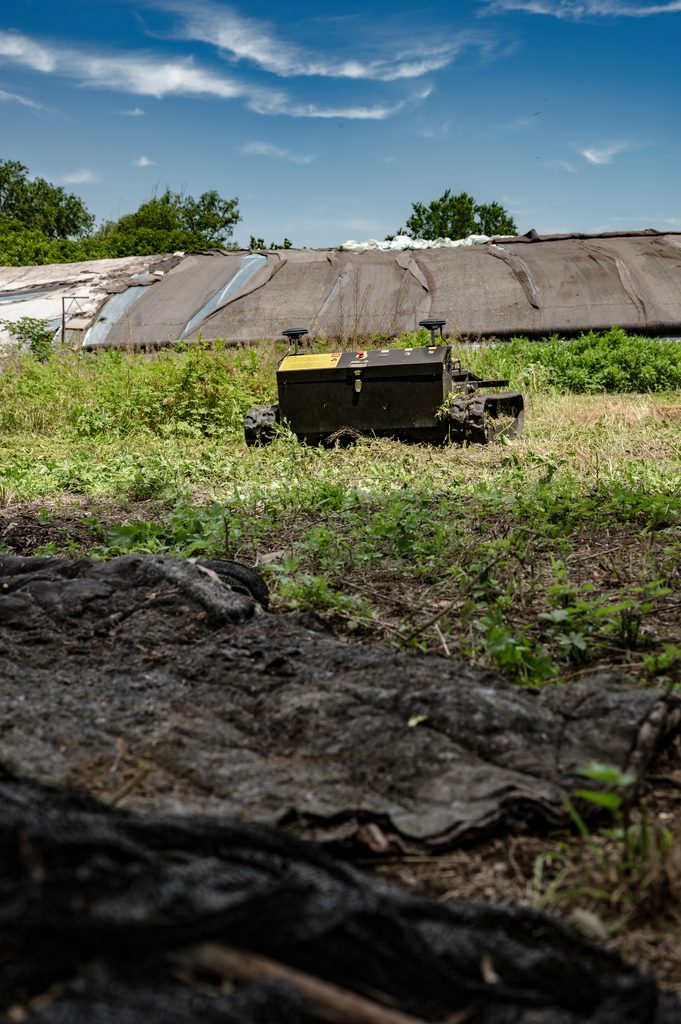
Commercial robotic mower working on sloped ground in Australian orchard
Uneven ground, tree roots and variable gradient affect mowing quality and machine stability. Some low-end robotic mowers struggle to maintain consistent cutting height on slopes. Wheels may slip on wet soil after rain, leaving uncut grass patches across the orchard.
When selecting a commercial robotic mower for sloped orchards, first confirm the maximum slope rating the unit can safely handle. Also pay attention to obstacle detection: tree trunks, low-hanging branches are constant obstacles in orchard environments. For obstacle detection differences, check our guide comparing standard and high-end navigation systems.
A suitable robotic mower reduces manual labour and cuts long-term maintenance cost for orchard owners.
FAQ
Q: What slope can commercial robotic mowers handle in Australian orchards?
A: The safe slope range depends on the mower model. You need to match the machine’s slope capacity with the actual gradient of your orchard.
Q: Will tree roots damage the robotic mower?
A: Roots protruding above ground are obstacles. Good obstacle sensing helps the machine avoid collision.